In this article
Golf destination marketing sells an itinerary, not a place. Buyers, whether tour operators, group organisers or individual golfers, choose between four days in one region and four days in another, and they decide on access, travel time, price and confidence rather than on photography.
The audience is more concentrated than it looks. Europe recorded 4.7m registered golfers in 2024, up 2.8% on the year and 9% since 2020, with England, Germany, Sweden, France and the Netherlands the five biggest markets, on European Golf Association and R&A figures. Most European outbound golf travel is assembled in a handful of countries, which makes targeting a question of discipline rather than budget.
What follows are the channels that produce bookings, in the order most destinations should build them.
What golf destination marketing actually sells
Three things: access, certainty and a reason to choose you this year. Access means tee times a visitor can genuinely get, at venues they have heard of or can be persuaded to try. Certainty means the trip works, the transfers are short and somebody answers the telephone. The reason can be a new course, an event, an anniversary, a new route or a rate, but there has to be one.
Positioning follows the inventory. A region with one famous course and several good ones sells a trip anchored on the famous name. A region with no anchor sells value, variety or a theme. Selling premium into a market that sees value produces empty weeks and expensive brochures, a failure our overview of golf as a serious business returns to often.
Imagery that survives contact with the weather
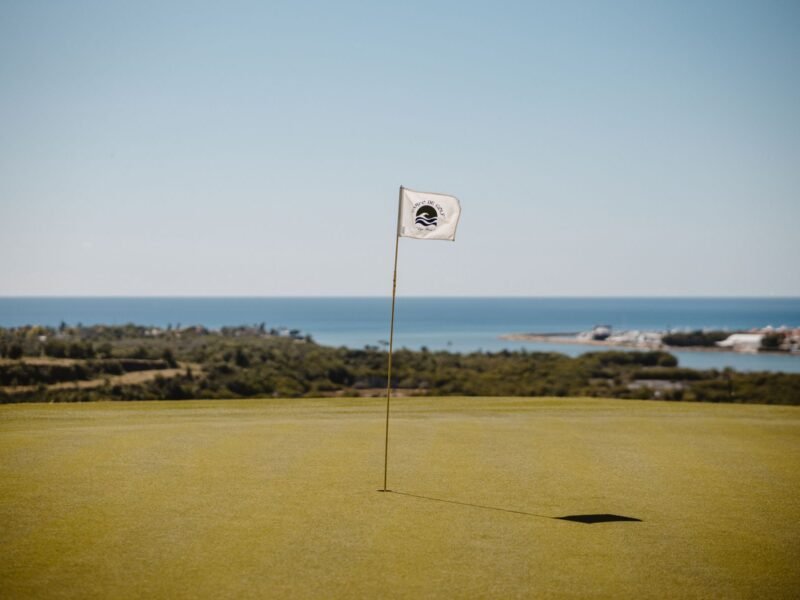
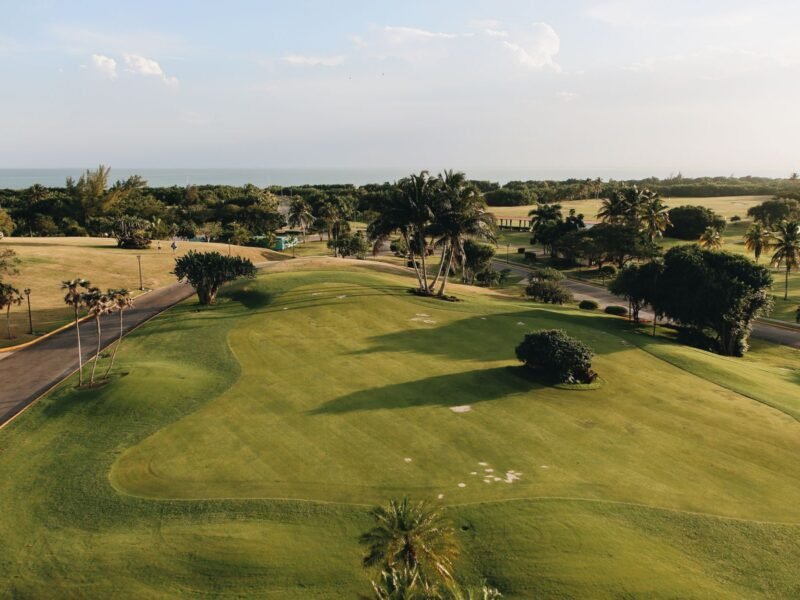
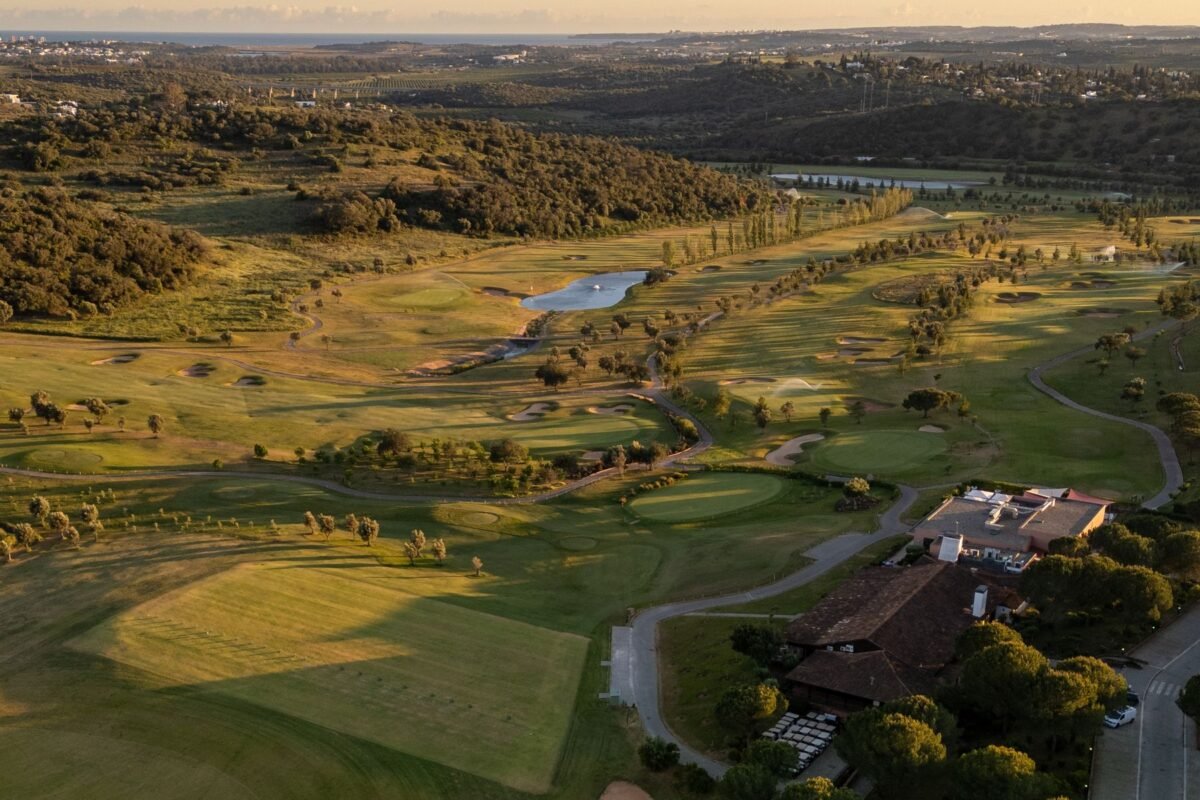
Golf destination marketing lives or dies on whether the pictures match the arrival. Photography sets expectations, and expectations set reviews. Sunlit shots of an empty first tee are fine, but the images that convert also show the things a buyer is quietly checking: the clubhouse, the car park, the bar, the rooms, the buggy fleet, and what the course looks like in April rather than in one perfect August week.
Include people who look like the customer. An organiser booking eight players wants to see eight players, not a solitary figure in silhouette. Destinations chasing the growing women’s market should show it properly, a point our coverage of women in golf events keeps making. Video earns its place where distance is the objection, since a two-minute drive-time film answers more questions than a page of copy.
Itineraries are the unit of sale
Publish itineraries, not course lists. A three-night, four-round itinerary with named venues, an order of play, a hotel and an indicative price is something a buyer can forward to seven friends. A list of eleven courses in a county is homework, and homework does not convert.
Build two or three at different price points, and make sure every venue in them has agreed to the arrangement. Nothing damages a destination faster than a published itinerary the venues will not honour in July. Itineraries also give partner hotels and operators something concrete to sell, and they let the destination steer demand towards the venues and the weeks that need it most.
Give each itinerary a name, a price band and an owner. Buyers remember a named product and forget a document called golf brochure final. An owner matters because itineraries decay: hotels change hands, venues change policy, and nothing embarrasses golf destination marketing faster than a published trip that can no longer be booked as written.
Trade shows and the buyer meeting
Trade events remain the most efficient way to meet operators, because the buyers are in one room with their diaries open. Preparation decides the return. Know which operators sell your kind of product, which markets they work in and which months they need, then arrive with rates, allocations and a written itinerary rather than a general invitation to visit some day.
Follow up within the week, in writing, on the specific thing discussed. Familiarisation trips are the other half of this channel: an operator who has played the courses sells them with a level of detail no brochure supplies. Keep those trips small, put your strongest venues in front of them, and measure what each one produces over the following two seasons.
Budget for the follow-through, not only the stand. A show that produces twelve serious conversations needs somebody with time to service them for the next six months, and that time is usually the binding constraint rather than the money.
Partner channels and co-op budgets
Destinations rarely have the budget to reach golfers alone, which is why the strongest golf destination marketing programmes pool it. Venues, hotels, airlines, ferry operators and regional tourism bodies all want the same visitor. Co-op campaigns work when contributions and returns are written down at the start: who pays what, whose name appears, who owns the data and how leads are shared.
Media partnerships sit in the same category. A trade audience reads differently from a consumer one, and a destination selling to operators needs to appear where operators look. Our media kit sets out how that side works. Whatever the channel, agree the tracking method before the invoice rather than after it.
Measuring golf destination marketing
Good golf destination marketing is measurable inside a single season. Count what moves: enquiries by market, itinerary downloads, operator contracts signed, allocated tee times sold and bed nights attributable to golf. Reach figures tell you a campaign happened, not that it worked. Where a destination can persuade venues and hotels to share anonymised booking data, the picture sharpens quickly and the argument for next year’s budget writes itself.
Set the baseline against the wider market so the reading stays honest. There were 43.3m on-course golfers worldwide in 2024 across R&A affiliated markets outside the USA and Mexico, and 108m people playing in some format, on R&A reporting. A destination growing more slowly than the market is losing share even while its own numbers rise, a point our piece on where golf growth sits develops.
Frequently asked questions
What is the first thing a golf destination marketing budget should fund?
Itineraries and the sales material behind them. Named venues, an order of play, indicative prices and a contact who can confirm availability do more than any brand campaign at the same cost.
Which markets should European destinations target?
Europe had 4.7m registered golfers in 2024, with England, Germany, Sweden, France and the Netherlands the largest markets. Most destinations should prove themselves in one or two of those before spreading a budget wider.
Do trade shows still work for golf destinations?
They work when the meetings are booked in advance and followed up in writing. Attending without a diary of appointments, agreed rates and a written itinerary tends to produce conversations rather than contracts.
Sources: European Golf Association and The R&A; The R&A participation reporting.
The golf business edit, weekly.
Nine sharp reads for operators, sponsors and serious readers. No noise, no filler.