In this article
Wedge bounce is the angle between the leading edge and the lowest point of the sole, and it is the most useful number on a wedge that buyers never ask about. It decides how the club interacts with turf and sand, which decides how much forgiveness you get when the strike is not perfect.
Most wedges are bought on loft and looks. The loft gets checked against the gap in the bag, the finish gets admired, and the sole, the part that actually touches the ground, gets ignored. Then the buyer wonders why their new wedge digs, or skips, or works from the fairway but not the bunker.
This guide keeps it practical: what bounce is, how grind changes it, how to match both to your swing and your course, and why the sole of a wedge is a retail conversation the pro shop should be starting, not dodging.
What wedge bounce actually does
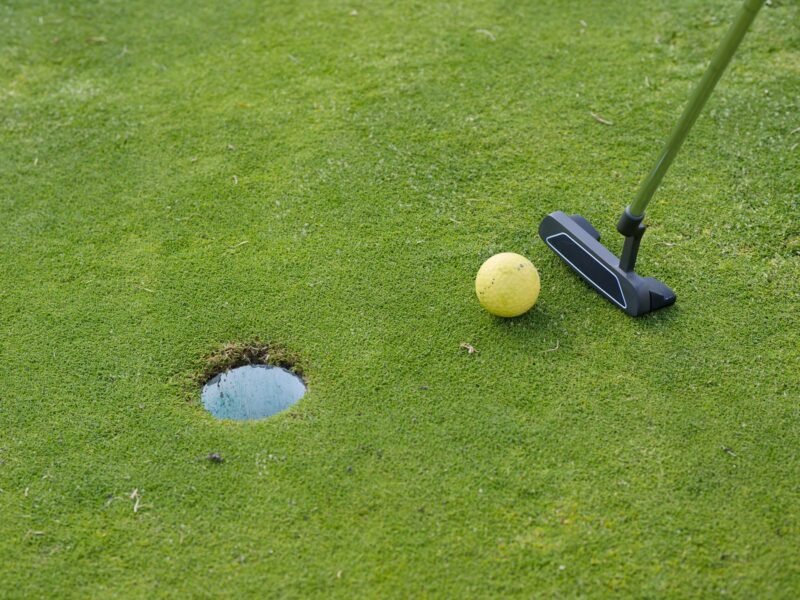
Picture the sole meeting the turf. With more bounce, the trailing edge sits lower, so the head resists digging and skids through the surface instead. With less bounce, the leading edge sits tighter to the ground, so the club can nip the ball cleanly from firm lies.
Neither is better. High bounce rescues steep swings and soft ground. Low bounce rewards shallow swings and tight turf. The wrong pairing produces the two classic wedge misses: the dig that comes up short, and the skid that catches the ball thin across the green.
Manufacturers stamp a wedge bounce number on most models, but treat it like shaft flex letters: a guide, not a guarantee. The grind changes how that number plays.
Grind changes how wedge bounce plays
Grind is the shaping of the sole, usually the removal of material from the heel or trailing edge. Two wedges with the same stamped bounce can behave very differently once ground, because grind decides how much sole is actually presented to the turf when the face is opened or the shaft leans forward.
A fuller sole keeps its bounce through most positions, which suits square-faced pitchers. A heel-relieved grind lets the club sit low when the face opens, which suits players who like to manipulate the club around the green. If you never open the face, paying extra for a specialist grind is decoration.
Loft gapping still comes first
Bounce tunes how a wedge behaves; loft decides what job it does. Before any grind conversation, sort the gaps from your shortest iron down, so no two wedges fight over the same distance and no yardage is left orphaned. Even gaps make club selection automatic under pressure, which is the point of carrying wedges at all.
Only then choose bounce within each slot. The gap wedge that mostly hits full shots can afford a middling sole. The sand wedge lives in bunkers and soft lies, so it usually earns the most bounce in the bag. The lob wedge is the specialist, and the honest question is how often you truly open the face with it.
Matching wedge bounce to your swing
Start with your divot. Deep, steep divots point to more bounce, because the sole needs to stop the dig. Shallow brushers and pickers usually want less, because too much bounce lifts the leading edge and invites thin contact. No divot pattern is wrong; unmatched wedges are.
Then be honest about your miss. If your bad shot with a wedge is heavy, bounce is your friend, and most club golfers sit in this camp. If your bad shot is thin off firm lies, a lower bounce or a friendlier grind will do more than another lesson on ball position.
A short fitting sorts this quickly. A fitter watches turf interaction on real or simulated lies and matches sole to swing, the same margin-friendly service we covered in our piece on fitting economics.
Course and season change the answer
Ground conditions move the target. Soft parkland in a wet British winter plays like a different sport from a baked seaside course in July, and the sole that thrives in one can struggle in the other. This is one reason links golf asks different questions of a wedge setup than inland golf does.
Committed players sometimes run two setups, or pick a middle bounce that survives both extremes. Club golfers mostly need one honest answer: match the wedge to the courses you actually play, not the ones you watch on television. Winter golf in particular rewards bounce, a small part of the wider case in our winter revenue playbook.
The retail angle: wedges are a fitting sale
Wedge bounce is a conversation that sells itself once a member hits a few shots from a bad lie with the right sole. Wedges wear, they are replaced more often than any other iron, and they carry respectable margin. Yet many shops still rack them like chocolate bars and let the customer guess.
The spend is there to be earned. Equipment and clothing take around GBP 1 billion of UK golfers’ money each year, on Sheffield Hallam University figures for The R&A, and short-game kit is one of the most frequent repeat purchases within it. A short turf-interaction demo converts better than any point-of-sale poster, and it builds the trust that golf’s growing business culture increasingly runs on.
Frequently asked questions
What is wedge bounce in simple terms?
It is the angle between the leading edge and the lowest point of the sole. More bounce helps the club skid through turf and sand rather than digging, which protects you when the strike is slightly heavy. Low bounce keeps the leading edge tight to the ground for clean contact from firm lies.
Is high wedge bounce better for beginners?
Usually, yes. Most improving golfers swing steeply and play on soft ground, and higher bounce forgives both. But the right answer comes from your divot pattern and your courses, not your handicap.
Do I need different grinds in the same set of wedges?
Often. Many players run more bounce in the sand wedge and a more versatile grind in the lob wedge. A short fitting on real turf settles it faster than any amount of theory.
Does wedge bounce matter from bunkers?
A great deal. Sand is where bounce works hardest, letting the sole splash through instead of digging. Soft, fluffy sand rewards more bounce; firm, wet sand asks for less.
Sources: Sheffield Hallam University for The R&A (UK golfer equipment and clothing spend).
The golf business edit, weekly.
Nine sharp reads for operators, sponsors and serious readers. No noise, no filler.